
The Fishing Industry Association Chief Operating Officer (COO) visit the CLS office in Toulouse, France
- Jan 14
- 4 min read

The fishing industry is a cornerstone of Papua New Guinea's Tuna sector, contributing to employment, nutrition, and export revenues. In October 2025, during the Pacific Tuna Forum in Nadi, Fiji, the CLS Oceania CEO, Mr Guan Oon, invited our CCO, Marcelo Hidalgo, to have a technical visit to the CLS headquarters located in Toulouse, France. The invitation was accepted.

Since the beginning, the Fishing Industry Association of Papua New Guinea (FIA PNG) tuna fleet members have partnered with Collecte Localisation Satellites (CLS), utilising innovative technologies and their services, such as:
Triton,
NEMO,
NAOS,
CATSAT, and
Connectivity solutions for its shark tagging project

This collaboration enhances both operational efficiency and environmental stewardship, while facilitating improved management of vital marine resources.
Triton for Vessel Monitoring Systems (VMS)
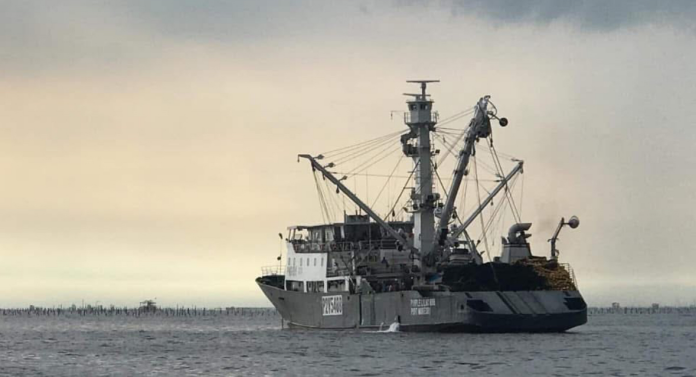
One of the most significant applications of CLS services in our tuna fleet is the Triton vessel monitoring system (VMS). This satellite-based VMS allows for near real-time tracking of fishing vessels, ensuring that tuna purse seiners operate within legal parameters and designated fishing zones. With the potential for overfishing and illegal activities threatening tuna stocks, Triton provides a high level of oversight and accountability. By enabling the FIA PNG tuna fleet with more than 55 tuna purse seiners to closely monitor fleet movements, Triton ensures compliance with fishing regulations, thereby supporting sustainable practices crucial for the health of the fisheries.
NEMO for Small-Scale Fisheries (SSF)
While industrial fishing dominates the tuna sector, small-scale fisheries also play a vital role in local communities. The National Fisheries Authority of Papua New Guinea (NFA) contracted CLS’s NEMO service, which focuses on supporting these smaller operations through valuable insights and data tracking in near-real time. By employing this technology, small-scale fishers can gather information about catch volumes and optimise their data reporting for a better fishery management assessment. The integration of Nemo into the fishing community empowers local fishermen to have near real-time data and tracking, including for auxiliary purposes and help at Sea.
NAOS for Ghost Gear Tracking and Fish Aggregating Devices (FADs)
Ghost gear, abandoned or lost fishing equipment, poses a significant threat to marine biodiversity. The NAOS service from CLS helps track this lost gear and monitor fish aggregating devices (FADs), which are used widely in tuna fishing. Although our Tuna fishery relies on free schools that represent 90% of our annual catches, in 2025, we joined the NFA and CLS in a project that uses NAOS beacons, to be deploy in any ghost gear sees or found by our tuna fleet; this is a voluntary project that we have started to understand the Ghost Gear behavior in the PNG Economic exclusive zones (EEZ). This proactive approach reinforces the commitment to sustainability in the fishing industry, enabling operators to manage their gear responsibly and minimize the ecological footprint of their operations, aligning with our Marine Litter and Fishing Gear pillar.
CATSAT for Oceanographic Indicators
Oceanographic conditions have a significant influence on tuna distribution, behavior, and fishing decision-making. CLS’s CATSAT service monitors critical oceanographic indicators, including phytoplankton and zooplankton levels, and analyses currents that affect migratory patterns. By leveraging this data, tuna purse seiners can identify promising fishing spots and optimise their catches. Additionally, CATSAT helps monitor El Niño and La Niña phenomena, which can drastically alter fishing conditions. The ability to incorporate near-real-time oceanographic data allows fishing operations to adapt quickly to changing environments and maintain sustainable practices.
Connectivity for Shark Tag Project
In an effort to promote marine conservation and responsible fishing practices, the FIA PNG is also utilising CLS’s connectivity for a shark tagging project within the tuna fleet. This initiative began in 2024 in La Joya during a scientific meeting organized by the University of Queensland. At this stage, 13 tags have been placed on Sharks and are monitored; this also aims to gather important data on shark populations, migration patterns, and interactions with tuna fisheries. By tracking sharks, fishers can better understand the dynamics of the marine ecosystem, ensuring that tuna fishing practices do not adversely impact vulnerable species by assessing best practices for handling ETO species by the crew. This project exemplifies how connectivity innovation can lead to more informed decisions and a more sustainable approach to fishing.
Real-Time Data from a Global Network
The effectiveness of CLS services is bolstered by its extensive network of 400 satellites, primarily from the Argos and Keneis constellations. This robust system collects near-real-time data from industrial and small-scale fishery sources, enabling the FIA PNG to share valuable information with partners like Global Fishing Watch. Collaborating with Global Fishing Watch enhances transparency and accountability within the fishing sector, promoting responsible practices and helping to safeguard the future of marine resources.

We see CLS as a partner that showcases how technological advancements can transform the fishing industry. Through the integration of systems like Triton, Nemo, NAOS, and CATSAT, along with innovative projects like shark tagging, the FIA PNG is taking significant strides toward sustainability, compliance, and operational efficiency – Marcelo Hidalgo, FIA PNG COO
Comments